
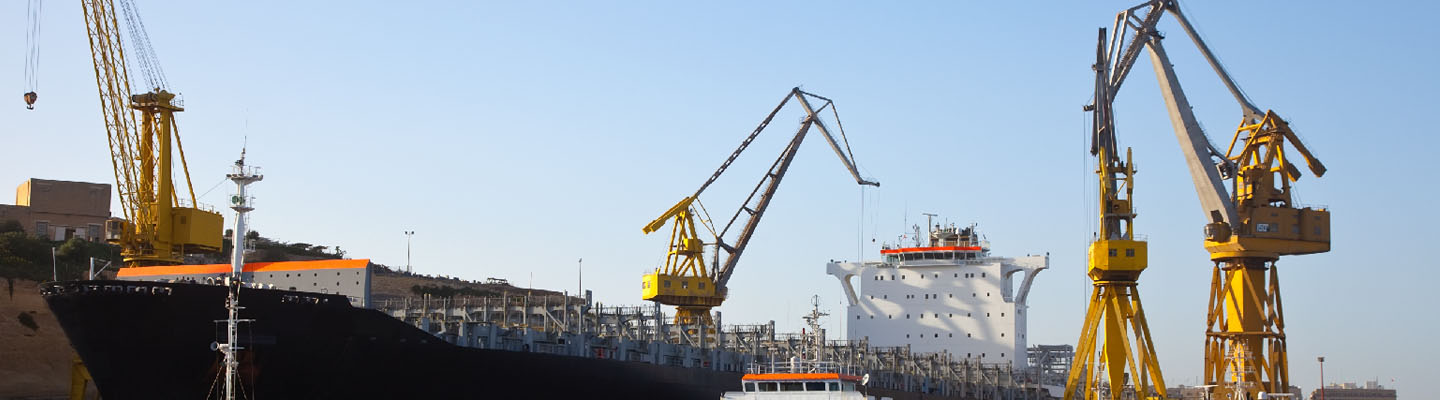
The Basics of International Transportation and Shipping Management in the Oil Sector
Course Overview
The international transportation and shipping sector in the oil industry is one of the most complex and sensitive areas, requiring precise coordination between various parties to ensure the safe and efficient transportation of oil and its derivatives. These operations are influenced by several factors, such as international regulations, transportation safety, and logistics risk management. This program aims to provide the basics of managing international oil transportation and shipping, with a focus on operational safety, compliance with international regulations, and risk management to ensure the sustainability of operations.
Course Objectives
- Understanding the Fundamentals of Transportation and Shipping in the Oil Sector: Familiarizing with the concepts of transportation and shipping in the oil industry.
- Compliance with International Regulations: Learning the regulations and laws governing international oil transportation. Managing Oil Logistics Documentation: Learning
- how to prepare and audit the essential documents in oil shipping. Managing Risks in International Oil Transportation: Identifying and assessing risks related to oil
- transportation. Improving Operational Efficiency: Developing strategies to reduce costs and increase efficiency in shipping.
Target Audience
- Transport and logistics managers in oil and gas companies.
- Shipping and export managers in the energy sector.
- Specialists in logistics risk management in oil companies.
- Supervisors of maritime and land transport in the oil industry.
- Executives responsible for compliance with international transport regulations.
Course Modules
Basic Concepts in International Oil Transport and Shipping
- Definition of sea and air transport of oil and its importance in global trade.
- Oil transport methods: tankers, pipelines, railways.
- Challenges of shipping crude oil and refined products.
- The role of transport companies in the oil industry and identifying the factors affecting the choice of means of transport.
- Study the impact of global market changes on shipping and transportation in the oil industry.
Documents required for international oil shipping
- Oil Marine Bill of Lading: Definition and Types.
- Commercial invoice for oil transportation and its organization requirements.
- Loading certificate and environmental compliance certificates.
- Marine oil shipping insurance and necessary insurance coverage.
- Electronic document management to facilitate oil transportation operations.
International regulations and laws for oil transport and shipping
- International agreements relating to the maritime transport of oil such as MARPOL.
- International laws for dealing with oil accidents and spills.
- Requirements for compliance with environmental and industrial safety standards in transportation.
- The role of maritime and customs authorities in regulating oil shipments.
- Contractual obligations between exporters and importers in oil transportation.
Risk Management in International Oil Transportation
- Risks associated with the maritime transportation of oil such as spills and explosions.
- Risk reduction strategies in sea and air transport of oil.
- Insurance of oil shipments against operational and environmental risks.
- Assessing geopolitical risks and their impact on oil transportation operations.
- Applying best practices in emergency and accident management in transportation.
Improving operational efficiency in international oil shipping
- Strategies to reduce logistics costs in oil transportation and shipping.
- Using technology to improve transportation management and monitoring.
- Software applications in supply chain management for oil shipping.
- Improving the performance of warehouses and pipelines in oil transportation.
- Performance measurement and data analysis to improve operational efficiency in oil shipping.
Instructor
Name: Dr. Zakwan Sabbagh
Specialization: Environmental Engineering, Occupational Health and Safety, and Project Management
Certificates: PhD in Environmental Engineering and Occupational Health (University of Lyon, France) MSc in Environmental Engineering and Occupational Health (University of Aleppo, Syria) BSc in Civil Engineering (University of Aleppo, Syria)
Core Programs Trained: Occupational Safety and Risk Management Environmental Pollution Techniques Safety in Industrial Facilities Sustainability and Smart Cities
Bio: Expert in environmental engineering and occupational risk management, with over 30 years of experience in teaching and consulting. He has worked with prestigious universities and research centers in Syria and Turkey, and provided training in the fields of occupational health and safety and water treatment. He holds multiple international certificates in project and risk management, and has participated in international conferences on environmental pollution and industrial safety.
- Languages: Arabic
- Program Levels: Operational level
- Venue: Company Headquarters
- Hours: 25
- Location:
Related Courses

Project Management in Oil and Gas
.jpg)
Health, Safety, and Environment (HSE) Management

Asset and Maintenance Management in the Oil Sectors and Fields

Optimal Operation of Oil and Gas Facilities